The future of smart energy technologies hinges on a data-driven, resilient grid. Real-time analytics and edge computing enable faster fault detection and adaptive demand management. Distributed energy resources and scalable storage promise greater reliability and lower costs, while interoperable platforms foster collaboration among utilities, regulators, and customers. Edge orchestration and vehicle-to-grid ecosystems enable local energy flows. Policy incentives and robust economics shape adoption, leaving crucial questions about implementation and safeguards to be explored further.
What the Future of Smart Energy Looks Like
The future of smart energy envisions a tightly integrated, data-driven grid where real-time analytics, resilient infrastructure, and distributed energy resources converge to optimize reliability and efficiency. Analysts project scalable renewable storage and adaptive demand measures to reduce volatility, while automated fault detection enhances grid resilience. Investments align with interoperable platforms, transparent metrics, and stakeholder collaboration, delivering freedom through dependable, cleaner, and affordable energy systems.
Core Technologies Driving Smart Grids and Decentralization
Core technologies underpinning smart grids and decentralization integrate advanced communication, computation, and control to enable real-time decision-making and distributed energy flows.
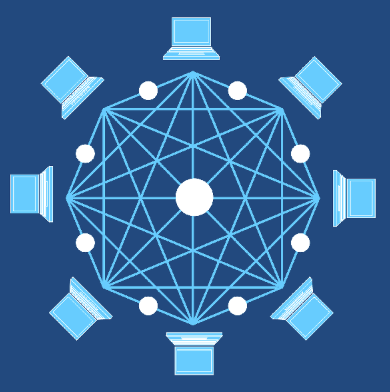
Data-driven architectures enable dynamic storage, peer to peer platforms, smart meters, demand response, regulatory sandboxes, distributed generation, microgrids, carbon pricing, blockchain incentives, vehicle to grid, synthetic forecasting, and edge analytics for resilient, flexible, affordable energy systems and sustained freedom-minded innovation.
Edge analytics enable microgrid orchestration.
Policy, Economics, and Grid Impacts to Watch
Data-driven analyses show policy incentives guiding project viability while economics signals align risk and return for diverse participants.
Forward-looking safeguards ensure reliability, scalability, and grid resilience, unlocking affordable, ubiquitous clean energy for all.
Everyday Transformations: From Homes to Services
Data indicates peak-shaving and optimized appliance scheduling reduce utility costs while maintaining comfort.
Storage innovations and demand response integration empower households and businesses to participate in grid services, unlocking resilience, autonomy, and forward-looking sustainability through precise, scalable solutions.
Frequently Asked Questions
How Will Smart Energy Affect Rural Broadband Access?
Smart energy advances will expand rural broadband by linking energy access with grid reliability improvements, enabling resilient, affordable connectivity for rural communities, while targeted investments drive scalable solutions and data-driven deployments that empower freedom through reliable digital infrastructure.
What Role Will AI Play in Consumer Energy Choices?
AI enabled insights will guide consumer energy choices, translating energy cost metrics into actionable decisions; the analysis remains urban focused while expanding tools for rural users, delivering data-driven, solution-oriented, forward-looking recommendations that respect individual autonomy.
Can Energy Storage Be Truly Cost-Effective for Households?
Cost effectiveness is achievable for households with optimized storage sizing, efficient inverters, and favorable tariffs; ongoing declines in battery costs and grid services enhancements support scalable, autonomous energy management. Household storage remains promising, albeit contingent on policy and economics.
How Will Climate Risks Alter Grid Resilience Planning?
The question: how will climate risks alter grid resilience planning? Grid resilience, climate adaptation guide decision-making; climate risks sharpen data-driven risk modeling, prioritize mitigation, accelerate hardening, diversify resources, and empower flexible deployment for forward-looking, freedom-seeking energy systems.
See also: What Are the Most Secure Blockchain Networks?
What Privacy Protections Accompany Smart Meters and Data Sharing?
Privacy protections govern smart meters, limiting data collection and access while enabling essential data sharing for grid reliability and personalized services. The approach emphasizes transparency, consent, minimization, and robust cybersecurity, fostering trust and freedom through accountable, data-driven solutions.
Conclusion
In the electric commons, the grid is a living library of forecasts and favors, its shelves stocked by data and shared protocols. Each microgrid is a correspondent, translating local needs into global steadiness. When homes, fleets, and utilities trade signals like notes in a symphony, outages become only footnotes. The future reads as a ledger of reliability, affordability, and resilience—written not in slogans, but in interoperable meters, edge-brained decisions, and trusted, transparent collaboration.