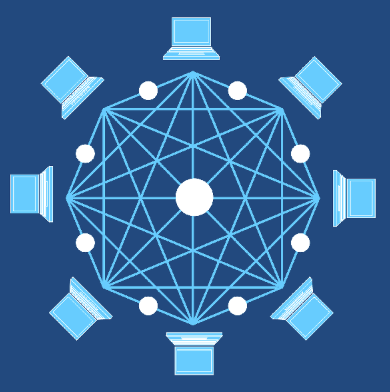
The future smart home blends sensing, AI-driven decisions, and interoperable devices into a proactive living environment. Data from diverse sources informs adaptive comfort, energy use, and security with auditable governance and privacy controls. Devices collaborate securely, balancing automation with user autonomy. Inclusive designs broaden access while maintaining efficiency. Platform choices and governance models will shape adoption, interoperability, and trust. The balance between innovation and safeguards will determine how seamlessly households transition from hype to habit.
What the Smart Home of Tomorrow Unlocks for Daily Life
The smart home of tomorrow promises to reshape daily routines by weaving sensing, automation, and AI-driven decision-making into the fabric of ordinary tasks.
By analyzing smart occupancy patterns and ambient diagnostics, systems anticipate needs, reduce friction, and tailor environments in real time.
This data-driven approach supports autonomous optimization, empowering individuals to pursue freedom through seamless, proactive living.
How Devices Talk, Learn, and Collaborate Securely
How do devices talk, learn, and collaborate securely in an interconnected home?
Data-driven projections suggest standardized protocols and edge intelligence enabling seamless devices interoperability. Secure data sharing, augmented by privacy-preserving computation, reduces risk while maintaining user autonomy. Systems will negotiate trust autonomously, prioritizing transparent governance, auditable logs, and adaptive encryption, fostering a learning environment that respects freedom without compromising safety.
Designing Inclusive, Energy-Smart Ecosystems for All Homes
The analysis tracks inclusivity metrics across devices, interfaces, and services, revealing gaps and progress.
Projections indicate scalable, energy smart design reduces waste while expanding choice, autonomy, and resilience for diverse households, shaping equitable, data-driven adoption.
From Hype to Habit: Choosing Platforms, Privacy, and Practical Steps
From hype to habit, the transition to practical smart-home use hinges on platform interoperability, transparent privacy controls, and scalable action steps that households can adopt without disruption.
Data suggests interoperable ecosystems reduce vendor lock-in while enabling customizable automation. Yet privacy tradeoffs emerge as devices multiply; deliberate choices and clear governance models will define trust, adoption rates, and long-term freedom in daily living.
Frequently Asked Questions
What’s the Best Way to Start a Smart Home on a Budget?
A budget friendly setup begins with modular, low-cost hubs and compatible devices. It supports starter automation imagination while prioritizing security, interoperability, and scalability, enabling a data-driven, forward-looking path toward freedom-seeking households without overextension or vendor lock-in.
How Can I Ensure Accessibility for All Users?
Accessible architecture and adaptive interfaces ensure inclusive design and universal usability, as data suggests people-centered systems scale broadly. The analysis posits proactive protocols, scalable standards, and speculative safeguards, empowering users to freely customize, control, and coexist within intelligent environments.
Do Smart Devices Require Ongoing Subscription Fees?
Smart devices may incur ongoing subscriptions in a subscription economies framework, though some models rely on upfront purchases; overall, device fragmentation and evolving services push users toward flexible plans and data-driven cost forecasting for freedom and adaptability.
See also: The Future of Smart Energy Technologies
How Is Data Encrypted in Daily Smart-Home Use?
Data encryption protects transmissions and storage in daily use, though effectiveness hinges on implementation. Analysts foresee stronger, standardized protocols and hardware-backed keys, while daily security practices—regular updates, strong credentials, network segmentation—remain essential for personal freedom and resilient smart-life ecosystems.
Can Smart Homes Operate Reliably During Power Outages?
Smart homes can maintain partial operations during outages, though full reliability remains uncertain. A 60% gap in continuous backup coverage highlights reliability during outages concerns; researchers favor scalable backup power strategies, emphasizing resilience, autonomy, and freedom through modular energy solutions.
Conclusion
The future smart home unfolds as a data-driven tapestry, where sensing, AI, and interoperability align to anticipate needs. Devices converse, learn, and collaborate under secure, auditable governance, empowering households with proactive comfort. Inclusive, energy-smart ecosystems expand autonomy while reducing waste. Platform interoperability lowers barriers, enabling transparent privacy controls and user-driven choice. As adoption accelerates, daily life becomes smoother, safer, and more efficient, yet governed by resilient safeguards. In this evolving horizon, trust and adaptability fuel continuous, dignified progress for all homes.